
The link provides a detailed transcript from a YouTube video by Dan Koe, which instructs viewers on how to use large language models (LLMs) effectively by treating them as programmable digital employees rather than simple “slot machines.” The central argument is that users must move beyond basic, vague prompts and provide extensive, expert-level instructions—often 500 to 2,000 words long—to achieve high-quality, customized output. The guide explains four primary methods for acquiring these detailed instructions: writing them oneself, having the AI generate a guide on a well-known topic, utilizing information from an expert source (like a PDF or another video transcript), or emulating a favored example. Ultimately, the video outlines a multi-step process for using a “meta prompt” to structure and refine personal context within these detailed instructions, enabling the creation of complex AI agents for various tasks, such as building a personal brand, becoming an intellectual partner, or structuring a business workflow.
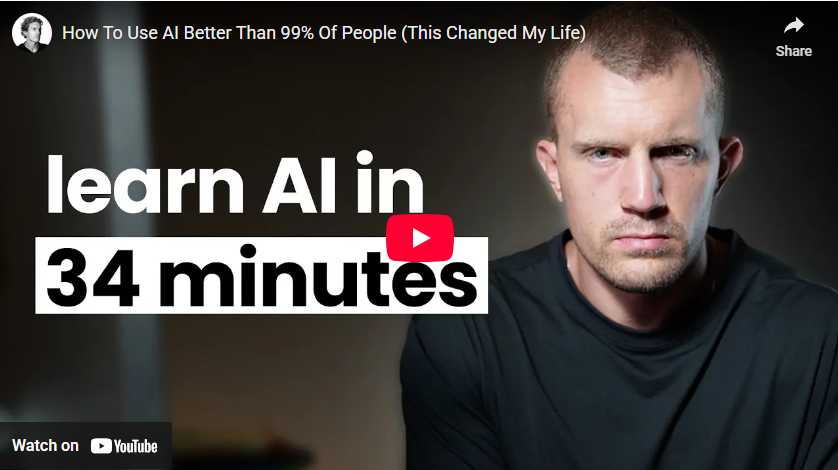
A strategic breakdown of how to transform LLMs into high-performance digital employees using long-form expert instructions, meta prompts, and structured AI workflows.
Posted inArtificial Intelligence
🧠Mastering AI Prompt Engineering for Outsized Results

Post navigation
Previous Post
 Machine Learning Fundamentals & AI Autonomous Systems